Abstract
Background: Cyberbullying has become a growing concern in the digital era, affecting individuals across personal, educational, and professional settings. The widespread use of social media among working professionals has enhanced communication and information sharing while simultaneously increasing exposure to cyberbullying and other online risks. Adequate knowledge regarding cyberbullying is essential for recognizing harmful online behaviors, promoting digital safety, and fostering healthy professional interactions. Objective: To assess knowledge regarding cyberbullying and identify its significant determinants among working professionals using social media. Methods: A quantitative research approach with a descriptive cross-sectional design was adopted. Fifty working professionals were selected using a non-probability convenience sampling technique. Data were collected using a Structured Knowledge Questionnaire consisting of 40 multiple-choice questions developed by the investigators. The reliability of the instrument was established using Cronbach’s alpha coefficient (r = 0.82). Data were analyzed using descriptive and inferential statistics. Results: The findings revealed that 54% of the participants had moderately adequate knowledge regarding cyberbullying, while 36% demonstrated inadequate knowledge and only 10% possessed adequate knowledge. Significant determinants of knowledge included gender (χ2 = 7.73, p < 0.05), educational qualification (χ2 = 15.30, p < 0.05), time spent on social media (χ2 = 9.95, p < 0.05), and awareness of the consequences of excessive social media use (χ2 = 15.75, p < 0.05). Conclusion: The study identified moderate levels of knowledge regarding cyberbullying among working professionals, with notable gaps in awareness and understanding. Educational qualifications, social media usage patterns, and awareness of digital health consequences emerged as significant determinants of knowledge. The findings highlight the need for targeted educational interventions, workplace awareness programs, digital professionalism training, and institutional policies to strengthen cyberbullying awareness and promote safer online environments.
|
Published in
|
American Journal of Nursing Science (Volume 15, Issue 3)
|
|
DOI
|
10.11648/j.ajns.20261503.12
|
|
Page(s)
|
52-59 |
|
Creative Commons
|

This is an Open Access article, distributed under the terms of the Creative Commons Attribution 4.0 International License (http://creativecommons.org/licenses/by/4.0/), which permits unrestricted use, distribution and reproduction in any medium or format, provided the original work is properly cited.
|
|
Copyright
|
Copyright © The Author(s), 2026. Published by Science Publishing Group
|
Keywords
Cyberbullying, Knowledge, Social Media, Working Professionals, Digital Safety, Determinants, Cyber Awareness
1. Introduction
The rapid advancement of digital communication technologies has transformed the way professionals communicate, collaborate, and exchange information across organizational and geographical boundaries
| [1] | Kapoor KK, Tamilmani K, Rana NP, Patil P, Dwivedi YK, Nerur S. Advances in social media research: Past, present and future. Information Systems Frontiers. 2018; 20(3): 531–558.
https://doi.org/10.1007/s10796-017-9810-y |
[1]
. Social media platforms such as WhatsApp, Facebook, Instagram, YouTube, and X (formerly Twitter) have become integral tools for professional networking, information sharing, and interpersonal communication in both personal and workplace settings
| [1] | Kapoor KK, Tamilmani K, Rana NP, Patil P, Dwivedi YK, Nerur S. Advances in social media research: Past, present and future. Information Systems Frontiers. 2018; 20(3): 531–558.
https://doi.org/10.1007/s10796-017-9810-y |
| [2] | Ventola CL. Social media and health care professionals: Benefits, risks, and best practices. P&T. 2014; 39(7): 491–520. |
[1, 2]
. Healthcare and educational institutions increasingly utilize these digital platforms for disseminating information, facilitating academic discussions, supporting professional development, and enhancing organizational communication
| [2] | Ventola CL. Social media and health care professionals: Benefits, risks, and best practices. P&T. 2014; 39(7): 491–520. |
| [15] | Moorhead SA, Hazlett DE, Harrison L, Carroll JK, Irwin A, Hoving C. A systematic review of social media use in healthcare communication and professional practice. Journal of Medical Internet Research. 2013; 15(4): e85.
https://doi.org/10.2196/jmir.1933 |
[2, 15]
.
Although digital technologies have improved accessibility and connectivity, they have also introduced several challenges related to online behavior, digital safety, and professional conduct
| [3] | Pothuganti SK. Workplace cyberbullying: A systematic literature review on its definition, theories, and the role of human resource development. Cogent Business & Management. 2024; 11(1): 2408443.
https://doi.org/10.1080/23311975.2024.2408443 |
[3]
. Among these challenges, cyberbullying has emerged as a growing concern affecting individuals across educational, healthcare, and workplace environments
| [4] | Rehman TU. Workplace Cyberbullying: Nature, Characteristics, and Implications. Journal of Management Inquiry. 2025.
https://doi.org/10.1177/0193841X241304293 |
| [5] | Alrawashdeh MN, Alsawalqa RO, Alnajdawi A, Al-Hamouri F, Alzoubi HM. Workplace cyberbullying and social capital among university academic staff: A cross-sectional study. Humanities and Social Sciences Communications. 2024; 11: 334. https://doi.org/10.1057/s41599-024-02805-z |
[4, 5]
. Cyberbullying is defined as the intentional and repeated use of electronic communication technologies to harass, threaten, humiliate, intimidate, or harm another individual
| [3] | Pothuganti SK. Workplace cyberbullying: A systematic literature review on its definition, theories, and the role of human resource development. Cogent Business & Management. 2024; 11(1): 2408443.
https://doi.org/10.1080/23311975.2024.2408443 |
| [11] | Kowalski RM, Giumetti GW, Schroeder AN, Lattanner MR. Bullying in the digital age: A critical review and meta-analysis of cyberbullying research. Psychological Bulletin. 2023; 149(4): 285–312. https://doi.org/10.1037/bul0000236 |
| [12] | Patchin JW, Hinduja S. Cyberbullying among adults: Implications for workplace safety and health. Journal of Workplace Behavioral Health. 2023; 38(2): 125–140.
https://doi.org/10.1080/15555240.2023.2170038 |
[3, 11, 12]
. Unlike traditional bullying, cyberbullying can occur at any time, transcend physical boundaries, and rapidly reach large audiences through digital platforms
| [10] | Vranjes I, Baillien E, Vandebosch H, Erreygers S, De Witte H. Workplace cyberbullying and digital communication challenges in modern organizations. Computers in Human Behavior Reports. 2023; 9: 100257.
https://doi.org/10.1016/j.chbr.2022.100257 |
[10]
. The anonymity and accessibility associated with online communication further increase the likelihood of cyberbullying behaviors and make their identification and management more difficult
| [9] | Farley S, Coyne I, Axtell C, Sprigg C. Cyberbullying in the workplace: Understanding risk factors and consequences. European Journal of Work and Organizational Psychology. 2023; 32(4): 501–514.
https://doi.org/10.1080/1359432X.2022.2152975 |
[9]
.
Recent studies have demonstrated that cyberbullying can have significant psychological, emotional, social, and occupational consequences for victims
| [6] | Zhang W, Guo Z, Zhu C, Wang H, Li Y. Workplace Cyberbullying Among Healthcare Workers: A Systematic Review of the Prevalence, Antecedents and Consequences. International Journal of Mental Health Nursing. 2025. (Add DOI from publisher website if article has final publication details.). |
| [17] | Tokunaga RS. Cyberbullying victimization and psychological well-being: A systematic review and synthesis of research. Computers in Human Behavior. 2023; 138: 107480.
https://doi.org/10.1016/j.chb.2022.107480 |
[6, 17]
. Individuals exposed to cyberbullying frequently report higher levels of anxiety, depression, stress, emotional exhaustion, and reduced self-esteem than those who are not exposed to such experiences
| [7] | Leung ANM, Ho HCY, Hou WK, Chung RWY, Lau EYL. A one-year longitudinal study on workplace cyberbullying, affective well-being, and work engagement. Applied Psychology: Health and Well-Being. 2024; 16(4): 1606–1625.
https://doi.org/10.1111/aphw.12562 |
| [17] | Tokunaga RS. Cyberbullying victimization and psychological well-being: A systematic review and synthesis of research. Computers in Human Behavior. 2023; 138: 107480.
https://doi.org/10.1016/j.chb.2022.107480 |
| [18] | Nixon CL. The impact of cyberbullying on psychological health and workplace functioning. Adolescent Health, Medicine and Therapeutics. 2023; 14: 143–158.
https://doi.org/10.2147/AHMT.S397006 |
[7, 17, 18]
. Workplace cyberbullying has also been associated with decreased work engagement, impaired interpersonal relationships, reduced job satisfaction, and lower organizational commitment
| [7] | Leung ANM, Ho HCY, Hou WK, Chung RWY, Lau EYL. A one-year longitudinal study on workplace cyberbullying, affective well-being, and work engagement. Applied Psychology: Health and Well-Being. 2024; 16(4): 1606–1625.
https://doi.org/10.1111/aphw.12562 |
| [13] | Giumetti GW, Hatfield AL. The effects of workplace cyberbullying on employee well-being and organizational outcomes. Occupational Health Science. 2024; 8(1): 25–44.
https://doi.org/10.1007/s41542-023-00167-7 |
| [16] | Coyne I, Farley S, Axtell C, Sprigg C, Best L, Kwok O. Understanding the relationship between workplace cyberbullying and employee outcomes. Journal of Community and Applied Social Psychology. 2023; 33(5): 479–494.
https://doi.org/10.1002/casp.2684 |
[7, 13, 16]
. Prolonged exposure to cyberbullying may negatively affect overall well-being, professional performance, and workplace productivity
| [6] | Zhang W, Guo Z, Zhu C, Wang H, Li Y. Workplace Cyberbullying Among Healthcare Workers: A Systematic Review of the Prevalence, Antecedents and Consequences. International Journal of Mental Health Nursing. 2025. (Add DOI from publisher website if article has final publication details.). |
| [13] | Giumetti GW, Hatfield AL. The effects of workplace cyberbullying on employee well-being and organizational outcomes. Occupational Health Science. 2024; 8(1): 25–44.
https://doi.org/10.1007/s41542-023-00167-7 |
[6, 13]
. Consequently, cyberbullying is increasingly recognized as an important occupational and public health issue requiring preventive and corrective interventions
| [4] | Rehman TU. Workplace Cyberbullying: Nature, Characteristics, and Implications. Journal of Management Inquiry. 2025.
https://doi.org/10.1177/0193841X241304293 |
| [6] | Zhang W, Guo Z, Zhu C, Wang H, Li Y. Workplace Cyberbullying Among Healthcare Workers: A Systematic Review of the Prevalence, Antecedents and Consequences. International Journal of Mental Health Nursing. 2025. (Add DOI from publisher website if article has final publication details.). |
[4, 6]
.
Working professionals in health science institutions represent a particularly important population because they regularly engage with digital technologies for educational, clinical, administrative, and professional purposes
| [8] | De Gagne JC, Choi M, Ledbetter L, Kang HS, Clark CM. Cybercivility in health professions education: Current evidence and future directions. Nurse Education Today. 2023; 124: 105731. https://doi.org/10.1016/j.nedt.2023.105731 |
[8]
. Frequent use of social media and online communication platforms may increase both exposure to and vulnerability toward cyberbullying-related incidents
| [6] | Zhang W, Guo Z, Zhu C, Wang H, Li Y. Workplace Cyberbullying Among Healthcare Workers: A Systematic Review of the Prevalence, Antecedents and Consequences. International Journal of Mental Health Nursing. 2025. (Add DOI from publisher website if article has final publication details.). |
| [15] | Moorhead SA, Hazlett DE, Harrison L, Carroll JK, Irwin A, Hoving C. A systematic review of social media use in healthcare communication and professional practice. Journal of Medical Internet Research. 2013; 15(4): e85.
https://doi.org/10.2196/jmir.1933 |
[6, 15]
. Moreover, healthcare professionals are expected to maintain professional standards, ethical conduct, and respectful communication within digital environments
| [8] | De Gagne JC, Choi M, Ledbetter L, Kang HS, Clark CM. Cybercivility in health professions education: Current evidence and future directions. Nurse Education Today. 2023; 124: 105731. https://doi.org/10.1016/j.nedt.2023.105731 |
[8]
. A lack of knowledge regarding cyberbullying may prevent professionals from recognizing harmful online behaviors, responding appropriately to incidents, and supporting affected colleagues effectively
| [9] | Farley S, Coyne I, Axtell C, Sprigg C. Cyberbullying in the workplace: Understanding risk factors and consequences. European Journal of Work and Organizational Psychology. 2023; 32(4): 501–514.
https://doi.org/10.1080/1359432X.2022.2152975 |
| [12] | Patchin JW, Hinduja S. Cyberbullying among adults: Implications for workplace safety and health. Journal of Workplace Behavioral Health. 2023; 38(2): 125–140.
https://doi.org/10.1080/15555240.2023.2170038 |
[9, 12]
. Adequate knowledge regarding cyberbullying is therefore essential for promoting digital professionalism, psychological safety, and healthy workplace relationships
| [8] | De Gagne JC, Choi M, Ledbetter L, Kang HS, Clark CM. Cybercivility in health professions education: Current evidence and future directions. Nurse Education Today. 2023; 124: 105731. https://doi.org/10.1016/j.nedt.2023.105731 |
| [19] | Hinduja S, Patchin JW. Digital citizenship, cyberbullying awareness, and prevention strategies in professional settings. Journal of School Violence. 2024; 23(2): 333–346.
https://doi.org/10.1080/15388220.2023.2241234 |
[8, 19]
.
Despite the increasing prevalence of cyberbullying, limited research has examined knowledge regarding cyberbullying among working professionals in healthcare and educational institutions, particularly within the Indian context
| [6] | Zhang W, Guo Z, Zhu C, Wang H, Li Y. Workplace Cyberbullying Among Healthcare Workers: A Systematic Review of the Prevalence, Antecedents and Consequences. International Journal of Mental Health Nursing. 2025. (Add DOI from publisher website if article has final publication details.). |
| [20] | Akbulut Y, Eristi B. Cyberbullying awareness and victimization among university populations: Implications for educational interventions. Australasian Journal of Educational Technology. 2023; 39(4): 115–130. |
[6, 20]
. Understanding the level of knowledge regarding cyberbullying is essential for identifying educational gaps and developing evidence-based awareness programs, training initiatives, and institutional policies
| [3] | Pothuganti SK. Workplace cyberbullying: A systematic literature review on its definition, theories, and the role of human resource development. Cogent Business & Management. 2024; 11(1): 2408443.
https://doi.org/10.1080/23311975.2024.2408443 |
| [19] | Hinduja S, Patchin JW. Digital citizenship, cyberbullying awareness, and prevention strategies in professional settings. Journal of School Violence. 2024; 23(2): 333–346.
https://doi.org/10.1080/15388220.2023.2241234 |
[3, 19]
.
The present study was conducted to assess the level of knowledge regarding cyberbullying among working professionals using social media at a selected allied health science college in Coimbatore.
2. Materials and Methods
2.1. Research Design
A quantitative research approach with a descriptive research design was adopted for the study.
2.2. Setting of the Study
The study was conducted at a selected allied Health science college, India.
2.3. Population and Sample
The target population consisted of working professionals employed in a selected allied health science college. The accessible population included working professionals employed at a selected allied health science college.
2.4. Sample Size and Sampling Technique
A total of 50 working professionals were selected using a non-probability convenience sampling technique.
2.5. Inclusion Criteria
1) Working professionals available during the period of data collection.
2) Individuals actively use at least one social media platform.
3) Both male and female working professionals.
2.6. Exclusion Criteria
1) Professionals who were absent during data collection.
2) Professionals who had previously participated in a similar study.
2.7. Research Tool
The tool consisted of two sections:
Section A: Demographic Variables
Age, gender, marital status, educational qualification, years of experience, social media usage, device used, type of social media usage, place of social media use, time spent on social media, purpose of social media use, consequences of excessive social media use, and experience of cyberbullying.
Section B: Structured Knowledge Questionnaire
The questionnaire consisted of 40 multiple-choice questions assessing knowledge regarding cyberbullying.
Scoring Interpretation
1) Inadequate Knowledge: <20
2) Moderately Adequate Knowledge: 21–30
3) Adequate Knowledge: >30
2.8. Validity and Reliability
Content validity was established by one psychologist and three nursing experts. Reliability was established using Cronbach’s alpha method (r = 0.82).
2.9. Data Collection Procedure
Data was collected from 23 February 2026 to 24 February 2026 using Google Forms after obtaining institutional permission and informed consent from participants.
2.10. Ethical Considerations
Ethical approval from the institution was obtained. Confidentiality and anonymity were maintained throughout the study. Informed consent was obtained from all participants.
3. Results
3.1. Characteristics of Participants
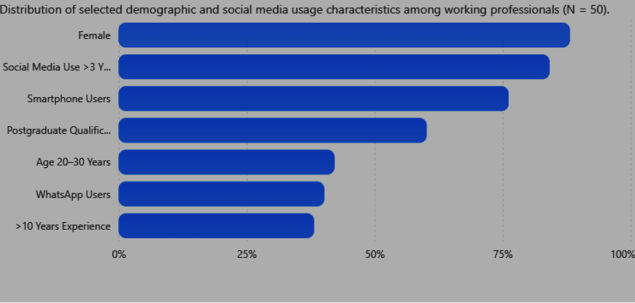
Figure 1: Demographic Profile and Social Media Usage Characteristics of Participants.
Figure 1. Distribution of selected demographic and social media usage characteristics among working professionals. The highest proportion of participants were female (88%), had used social media for more than three years (84%), and primarily accessed social media through smartphones (76%). Most participants possessed postgraduate qualifications (60%), while 42% belonged to the 20–30 years age group. WhatsApp was the most commonly used social media platform (40%), and 38% of participants had more than ten years of professional experience.
Figure 2 Knowledge Regarding Cyberbullying:
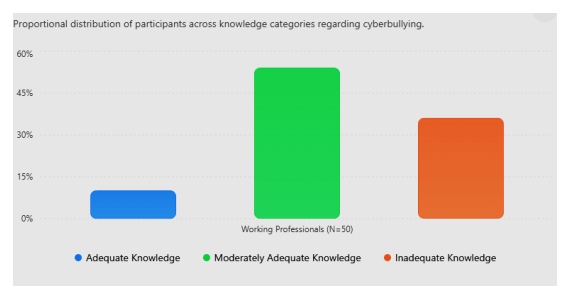
Figure 2. Knowledge Levels Regarding Cyberbullying Among Working Professionals.
3.2. Knowledge Level Regarding Cyberbullying Among Participants
Figure 2 demonstrates the distribution of participants according to their level of knowledge regarding cyberbullying. More than half of the participants (54%) possessed moderately adequate knowledge, followed by 36% with inadequate knowledge and only 10% with adequate knowledge. The predominance of moderately adequate knowledge indicates the existence of awareness regarding cyberbullying; however, substantial knowledge gaps remain among working professionals.
Figure 3 Knowledge Score Distribution Regarding Cyberbullying Among Working Professionals.
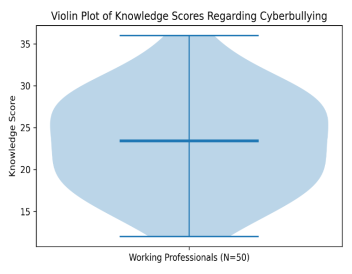
Figure 3. Distribution of Knowledge Scores Regarding Cyberbullying Among Working Professionals.
The violin plot demonstrates the distribution and variability of knowledge scores, with a mean score of 23.34 ± 5.89 and a median score of 23.50. Most participants were clustered within the moderately adequate knowledge category, indicating a moderate level of awareness regarding cyberbullying.
3.3. Significant Determinants of Knowledge Regarding Cyberbullying
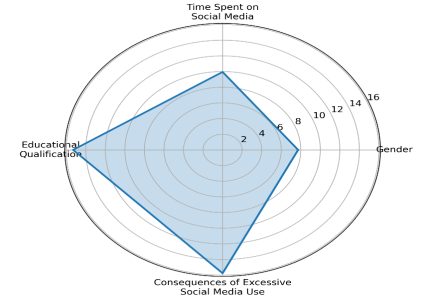
Figure 4. Significant Determinants of Knowledge Regarding Cyberbullying (χ² values).
Figure 4. The radar chart illustrates the relative strength of variables significantly associated with knowledge regarding cyberbullying. The strongest associations were observed for consequences of excessive social media use (χ² = 15.75) and educational qualification (χ² = 15.30), followed by time spent on social media (χ² = 9.95) and gender (χ² = 7.73). All variables demonstrated statistically significant associations with knowledge regarding cyberbullying (p < 0.05).
No significant association was observed between knowledge level and age, marital status, social media usage duration, device used, type of social media platform, place of social media use, purpose of social media use, or experience of cyberbullying.
4. Discussion
The findings are discussed in relation to the study objectives and supported by available literature.
4.1. Demographic Characteristics and Patterns of Social Media Use
The present study explored the demographic characteristics and social media usage patterns of working professionals using social media at a selected allied health science college. The findings revealed that the majority of participants belonged to the age group of 20–30 years, indicating that younger professionals constitute a significant proportion of the workforce in educational and healthcare institutions. Previous studies have reported that younger adults are more actively engaged with digital technologies and social networking platforms, increasing their exposure to both opportunities and risks associated with online communication
| [1] | Kapoor KK, Tamilmani K, Rana NP, Patil P, Dwivedi YK, Nerur S. Advances in social media research: Past, present and future. Information Systems Frontiers. 2018; 20(3): 531–558.
https://doi.org/10.1007/s10796-017-9810-y |
| [5] | Alrawashdeh MN, Alsawalqa RO, Alnajdawi A, Al-Hamouri F, Alzoubi HM. Workplace cyberbullying and social capital among university academic staff: A cross-sectional study. Humanities and Social Sciences Communications. 2024; 11: 334. https://doi.org/10.1057/s41599-024-02805-z |
[1, 5]
.
The predominance of female participants in the present study reflects the workforce composition commonly observed in nursing and allied health professions
| [14] | Spector N, Zhou Z, Che XX. Nurse exposure to workplace bullying and cyberbullying: Implications for healthcare organizations. Nursing Research and Practice. 2023; 2023: 896410.
https://doi.org/10.1155/2023/896410 |
[14]
. Most participants possessed postgraduate qualifications and substantial professional experience, suggesting that the study population represented a relatively educated and experienced workforce. Educational attainment and professional exposure may contribute to greater awareness regarding digital professionalism and online safety practices
| [8] | De Gagne JC, Choi M, Ledbetter L, Kang HS, Clark CM. Cybercivility in health professions education: Current evidence and future directions. Nurse Education Today. 2023; 124: 105731. https://doi.org/10.1016/j.nedt.2023.105731 |
[8]
.
The findings also demonstrated extensive use of social media among participants, with the majority reporting more than three years of social media use. Smartphones were the most commonly used devices, and WhatsApp emerged as the most frequently utilized social networking platform. Similar trends have been observed among healthcare professionals worldwide, where mobile technologies and social media platforms are increasingly integrated into professional communication, education, and information sharing
| [2] | Ventola CL. Social media and health care professionals: Benefits, risks, and best practices. P&T. 2014; 39(7): 491–520. |
| [15] | Moorhead SA, Hazlett DE, Harrison L, Carroll JK, Irwin A, Hoving C. A systematic review of social media use in healthcare communication and professional practice. Journal of Medical Internet Research. 2013; 15(4): e85.
https://doi.org/10.2196/jmir.1933 |
[2, 15]
.
Although a majority of participants reported no previous exposure to cyberbullying incidents, a notable proportion acknowledged experiencing or witnessing cyberbullying. This finding highlights that cyberbullying exists within professional environments and may affect workplace relationships and employee well-being. Consequently, increased awareness and preventive measures are necessary to address cyberbullying in healthcare and educational institutions
| [4] | Rehman TU. Workplace Cyberbullying: Nature, Characteristics, and Implications. Journal of Management Inquiry. 2025.
https://doi.org/10.1177/0193841X241304293 |
| [6] | Zhang W, Guo Z, Zhu C, Wang H, Li Y. Workplace Cyberbullying Among Healthcare Workers: A Systematic Review of the Prevalence, Antecedents and Consequences. International Journal of Mental Health Nursing. 2025. (Add DOI from publisher website if article has final publication details.). |
[4, 6]
.
4.2. Knowledge of Cyberbullying Among Working Professionals
The primary objective of the study was to assess knowledge regarding cyberbullying among working professionals. The findings revealed that more than half of the participants possessed moderately adequate knowledge, while a considerable proportion demonstrated inadequate knowledge. Only a small percentage exhibited adequate knowledge regarding cyberbullying.
These findings suggest that although working professionals are generally aware of cyberbullying, comprehensive understanding remains insufficient. This finding aligns with previous cyberbullying literature emphasizing the complexity and multidimensional nature of online bullying behaviors.
| [11] | Kowalski RM, Giumetti GW, Schroeder AN, Lattanner MR. Bullying in the digital age: A critical review and meta-analysis of cyberbullying research. Psychological Bulletin. 2023; 149(4): 285–312. https://doi.org/10.1037/bul0000236 |
[11]
. Similar findings have been reported in previous studies among healthcare professionals and university employees, where moderate levels of awareness coexisted with deficiencies in cyber safety knowledge and reporting practices
| [6] | Zhang W, Guo Z, Zhu C, Wang H, Li Y. Workplace Cyberbullying Among Healthcare Workers: A Systematic Review of the Prevalence, Antecedents and Consequences. International Journal of Mental Health Nursing. 2025. (Add DOI from publisher website if article has final publication details.). |
| [9] | Farley S, Coyne I, Axtell C, Sprigg C. Cyberbullying in the workplace: Understanding risk factors and consequences. European Journal of Work and Organizational Psychology. 2023; 32(4): 501–514.
https://doi.org/10.1080/1359432X.2022.2152975 |
[6, 9]
.
The predominance of moderately adequate knowledge may be attributed to increased exposure to social media, digital technologies, and public discussions concerning cyber safety. However, the low proportion of participants with adequate knowledge indicates that passive exposure to information alone may not be sufficient to develop comprehensive awareness regarding cyberbullying. Recent literature emphasizes the importance of structured educational interventions and workplace training programmes to enhance cyber safety awareness among professionals
| [3] | Pothuganti SK. Workplace cyberbullying: A systematic literature review on its definition, theories, and the role of human resource development. Cogent Business & Management. 2024; 11(1): 2408443.
https://doi.org/10.1080/23311975.2024.2408443 |
| [6] | Zhang W, Guo Z, Zhu C, Wang H, Li Y. Workplace Cyberbullying Among Healthcare Workers: A Systematic Review of the Prevalence, Antecedents and Consequences. International Journal of Mental Health Nursing. 2025. (Add DOI from publisher website if article has final publication details.). |
[3, 6]
.
The findings further support existing evidence suggesting that inadequate knowledge regarding cyberbullying may hinder the recognition of harmful online behaviours and reduce the likelihood of timely intervention and reporting. Therefore, strengthening cyberbullying awareness among working professionals is essential for promoting safe and respectful digital environments
| [7] | Leung ANM, Ho HCY, Hou WK, Chung RWY, Lau EYL. A one-year longitudinal study on workplace cyberbullying, affective well-being, and work engagement. Applied Psychology: Health and Well-Being. 2024; 16(4): 1606–1625.
https://doi.org/10.1111/aphw.12562 |
| [19] | Hinduja S, Patchin JW. Digital citizenship, cyberbullying awareness, and prevention strategies in professional settings. Journal of School Violence. 2024; 23(2): 333–346.
https://doi.org/10.1080/15388220.2023.2241234 |
[7, 19]
.
4.3. Determinants of Knowledge Regarding Cyberbullying
The study identified several factors significantly associated with knowledge regarding cyberbullying among working professionals. Gender was found to have a statistically significant association with knowledge levels, with female participants demonstrating higher knowledge scores than their male counterparts. Similar findings have been reported in previous studies, which suggest that women may possess greater awareness of interpersonal and psychosocial issues, including online harassment and cyberbullying
| [5] | Alrawashdeh MN, Alsawalqa RO, Alnajdawi A, Al-Hamouri F, Alzoubi HM. Workplace cyberbullying and social capital among university academic staff: A cross-sectional study. Humanities and Social Sciences Communications. 2024; 11: 334. https://doi.org/10.1057/s41599-024-02805-z |
[5]
.
Educational qualifications were another significant determinant of knowledge. Participants with higher educational qualifications demonstrated better knowledge regarding cyberbullying compared with those possessing lower educational attainment. This finding is consistent with previous research indicating that higher education contributes to improved digital literacy, critical thinking abilities, and awareness of cyber safety issues
| [8] | De Gagne JC, Choi M, Ledbetter L, Kang HS, Clark CM. Cybercivility in health professions education: Current evidence and future directions. Nurse Education Today. 2023; 124: 105731. https://doi.org/10.1016/j.nedt.2023.105731 |
[8]
.
Time spent on social media also showed a significant association with knowledge levels. Participants who spent more time on social networking platforms exhibited better awareness regarding cyberbullying. Increased exposure to online environments may enhance familiarity with digital communication practices and cyber-related risks. However, prolonged engagement with social media may simultaneously increase vulnerability to cyberbullying experiences, emphasizing the importance of responsible digital behaviour
| [1] | Kapoor KK, Tamilmani K, Rana NP, Patil P, Dwivedi YK, Nerur S. Advances in social media research: Past, present and future. Information Systems Frontiers. 2018; 20(3): 531–558.
https://doi.org/10.1007/s10796-017-9810-y |
| [3] | Pothuganti SK. Workplace cyberbullying: A systematic literature review on its definition, theories, and the role of human resource development. Cogent Business & Management. 2024; 11(1): 2408443.
https://doi.org/10.1080/23311975.2024.2408443 |
[1, 3]
.
The study further revealed that awareness regarding the adverse consequences of excessive social media use was significantly associated with knowledge regarding cyberbullying. Participants who recognized the negative effects of excessive social media use demonstrated greater understanding of cyberbullying and its consequences. This finding suggests that awareness of broader digital health concerns may contribute to increased cyber safety knowledge
| [7] | Leung ANM, Ho HCY, Hou WK, Chung RWY, Lau EYL. A one-year longitudinal study on workplace cyberbullying, affective well-being, and work engagement. Applied Psychology: Health and Well-Being. 2024; 16(4): 1606–1625.
https://doi.org/10.1111/aphw.12562 |
| [18] | Nixon CL. The impact of cyberbullying on psychological health and workplace functioning. Adolescent Health, Medicine and Therapeutics. 2023; 14: 143–158.
https://doi.org/10.2147/AHMT.S397006 |
[7, 18]
.
No significant associations were observed between knowledge level and variables such as age, marital status, duration of social media use, device used, social media platform used, purpose of social media use, or previous cyberbullying experience. These findings suggest that educational and behavioural factors may exert a stronger influence on cyberbullying knowledge than demographic characteristics alone
.
4.4. Implications for Nursing Practice and Workplace Digital Safety
The findings of the present study have important implications for nursing practice, nursing education, nursing administration, and workplace digital safety. The presence of only moderately adequate knowledge regarding cyberbullying among the majority of participants indicates the need for systematic educational initiatives aimed at improving awareness and promoting safe online behavior among healthcare professionals.
In nursing practice, nurses should be equipped with adequate knowledge and skills to identify cyberbullying behaviors, respond appropriately to incidents, and provide support to affected individuals. Enhanced awareness regarding cyberbullying may contribute to improved psychological well-being, effective communication, and healthier professional relationships within healthcare settings
| [8] | De Gagne JC, Choi M, Ledbetter L, Kang HS, Clark CM. Cybercivility in health professions education: Current evidence and future directions. Nurse Education Today. 2023; 124: 105731. https://doi.org/10.1016/j.nedt.2023.105731 |
| [14] | Spector N, Zhou Z, Che XX. Nurse exposure to workplace bullying and cyberbullying: Implications for healthcare organizations. Nursing Research and Practice. 2023; 2023: 896410.
https://doi.org/10.1155/2023/896410 |
[8, 14]
.
From a nursing education perspective, concepts related to cyberbullying prevention, digital professionalism, cyber ethics, and online safety should be incorporated into undergraduate, postgraduate, and continuing nursing education programs. Educational strategies such as workshops, seminars, awareness campaigns, and simulation-based learning activities may help strengthen cyber safety competencies among healthcare professionals
| [8] | De Gagne JC, Choi M, Ledbetter L, Kang HS, Clark CM. Cybercivility in health professions education: Current evidence and future directions. Nurse Education Today. 2023; 124: 105731. https://doi.org/10.1016/j.nedt.2023.105731 |
[8]
.
The findings also highlight the need for nursing administrators and healthcare organizations to establish comprehensive policies addressing cyberbullying prevention, reporting mechanisms, and victim support services. Developing a supportive workplace culture that encourages reporting of cyberbullying incidents without fear of retaliation may facilitate early intervention and effective management of workplace cyberbullying
.
Furthermore, promoting digital professionalism and cyber safety awareness among healthcare professionals can contribute to respectful online communication, enhanced teamwork, improved employee well-being, and greater organizational productivity. As digital technologies continue to play an increasingly important role in healthcare delivery and professional communication, healthcare institutions must prioritize workplace digital safety as an essential component of employee welfare and organizational development
| [3] | Pothuganti SK. Workplace cyberbullying: A systematic literature review on its definition, theories, and the role of human resource development. Cogent Business & Management. 2024; 11(1): 2408443.
https://doi.org/10.1080/23311975.2024.2408443 |
| [6] | Zhang W, Guo Z, Zhu C, Wang H, Li Y. Workplace Cyberbullying Among Healthcare Workers: A Systematic Review of the Prevalence, Antecedents and Consequences. International Journal of Mental Health Nursing. 2025. (Add DOI from publisher website if article has final publication details.). |
[3, 6]
.
5. Conclusion
The present study reveals that cyberbullying awareness among working professionals is not adequately developed, with a majority exhibiting only moderate knowledge and a notable proportion demonstrating inadequate understanding. This indicates ongoing challenges in effectively identifying and managing cyberbullying within increasingly digital professional environments. Overall, the findings point to an urgent need for strengthening cyber safety education through targeted training programs, awareness initiatives, and capacity-building strategies. Organizations should also reinforce clear cyberbullying policies, effective reporting systems, and supportive workplace cultures. Such integrated efforts are essential to enhance digital responsibility, protect employee well-being, and promote safer and more respectful online professional interactions.
Abbreviations
χ² | Chi Square Value |
r | Correlation Coefficient |
Acknowledgments
The authors express sincere gratitude to the management, principal, faculty members, and participants of KMCH College of Nursing, Coimbatore, for their support and cooperation during the study.
Author Contributions
Hanna Sunny: Data curation, Investigation, Methodology, Visualization, Writing – original draft
Harini Ramachandran: Data curation, Investigation, Methodology, Visualization, Writing – original draft
Hema Rubhini Muniraj: Data curation, Investigation, Methodology, Writing – original draft
Nandakumar Srinivasan: Conceptualization, Formal Analysis, Investigation, Methodology, Supervision, Writing – review & editing
Meena P.: Conceptualization, Formal Analysis, Investigation, Validation, Writing – review & editing
Madhavi Sambandan: Investigation, Supervision, Validation, Writing – review & editing
Data Availability Statement
The data supporting the outcome of this research work has been reported in this manuscript.
Conflicts of Interest
The authors declare no conflicts of interest.
References
| [1] |
Kapoor KK, Tamilmani K, Rana NP, Patil P, Dwivedi YK, Nerur S. Advances in social media research: Past, present and future. Information Systems Frontiers. 2018; 20(3): 531–558.
https://doi.org/10.1007/s10796-017-9810-y
|
| [2] |
Ventola CL. Social media and health care professionals: Benefits, risks, and best practices. P&T. 2014; 39(7): 491–520.
|
| [3] |
Pothuganti SK. Workplace cyberbullying: A systematic literature review on its definition, theories, and the role of human resource development. Cogent Business & Management. 2024; 11(1): 2408443.
https://doi.org/10.1080/23311975.2024.2408443
|
| [4] |
Rehman TU. Workplace Cyberbullying: Nature, Characteristics, and Implications. Journal of Management Inquiry. 2025.
https://doi.org/10.1177/0193841X241304293
|
| [5] |
Alrawashdeh MN, Alsawalqa RO, Alnajdawi A, Al-Hamouri F, Alzoubi HM. Workplace cyberbullying and social capital among university academic staff: A cross-sectional study. Humanities and Social Sciences Communications. 2024; 11: 334.
https://doi.org/10.1057/s41599-024-02805-z
|
| [6] |
Zhang W, Guo Z, Zhu C, Wang H, Li Y. Workplace Cyberbullying Among Healthcare Workers: A Systematic Review of the Prevalence, Antecedents and Consequences. International Journal of Mental Health Nursing. 2025. (Add DOI from publisher website if article has final publication details.).
|
| [7] |
Leung ANM, Ho HCY, Hou WK, Chung RWY, Lau EYL. A one-year longitudinal study on workplace cyberbullying, affective well-being, and work engagement. Applied Psychology: Health and Well-Being. 2024; 16(4): 1606–1625.
https://doi.org/10.1111/aphw.12562
|
| [8] |
De Gagne JC, Choi M, Ledbetter L, Kang HS, Clark CM. Cybercivility in health professions education: Current evidence and future directions. Nurse Education Today. 2023; 124: 105731.
https://doi.org/10.1016/j.nedt.2023.105731
|
| [9] |
Farley S, Coyne I, Axtell C, Sprigg C. Cyberbullying in the workplace: Understanding risk factors and consequences. European Journal of Work and Organizational Psychology. 2023; 32(4): 501–514.
https://doi.org/10.1080/1359432X.2022.2152975
|
| [10] |
Vranjes I, Baillien E, Vandebosch H, Erreygers S, De Witte H. Workplace cyberbullying and digital communication challenges in modern organizations. Computers in Human Behavior Reports. 2023; 9: 100257.
https://doi.org/10.1016/j.chbr.2022.100257
|
| [11] |
Kowalski RM, Giumetti GW, Schroeder AN, Lattanner MR. Bullying in the digital age: A critical review and meta-analysis of cyberbullying research. Psychological Bulletin. 2023; 149(4): 285–312.
https://doi.org/10.1037/bul0000236
|
| [12] |
Patchin JW, Hinduja S. Cyberbullying among adults: Implications for workplace safety and health. Journal of Workplace Behavioral Health. 2023; 38(2): 125–140.
https://doi.org/10.1080/15555240.2023.2170038
|
| [13] |
Giumetti GW, Hatfield AL. The effects of workplace cyberbullying on employee well-being and organizational outcomes. Occupational Health Science. 2024; 8(1): 25–44.
https://doi.org/10.1007/s41542-023-00167-7
|
| [14] |
Spector N, Zhou Z, Che XX. Nurse exposure to workplace bullying and cyberbullying: Implications for healthcare organizations. Nursing Research and Practice. 2023; 2023: 896410.
https://doi.org/10.1155/2023/896410
|
| [15] |
Moorhead SA, Hazlett DE, Harrison L, Carroll JK, Irwin A, Hoving C. A systematic review of social media use in healthcare communication and professional practice. Journal of Medical Internet Research. 2013; 15(4): e85.
https://doi.org/10.2196/jmir.1933
|
| [16] |
Coyne I, Farley S, Axtell C, Sprigg C, Best L, Kwok O. Understanding the relationship between workplace cyberbullying and employee outcomes. Journal of Community and Applied Social Psychology. 2023; 33(5): 479–494.
https://doi.org/10.1002/casp.2684
|
| [17] |
Tokunaga RS. Cyberbullying victimization and psychological well-being: A systematic review and synthesis of research. Computers in Human Behavior. 2023; 138: 107480.
https://doi.org/10.1016/j.chb.2022.107480
|
| [18] |
Nixon CL. The impact of cyberbullying on psychological health and workplace functioning. Adolescent Health, Medicine and Therapeutics. 2023; 14: 143–158.
https://doi.org/10.2147/AHMT.S397006
|
| [19] |
Hinduja S, Patchin JW. Digital citizenship, cyberbullying awareness, and prevention strategies in professional settings. Journal of School Violence. 2024; 23(2): 333–346.
https://doi.org/10.1080/15388220.2023.2241234
|
| [20] |
Akbulut Y, Eristi B. Cyberbullying awareness and victimization among university populations: Implications for educational interventions. Australasian Journal of Educational Technology. 2023; 39(4): 115–130.
|
Cite This Article
-
APA Style
Sunny, H., Ramachandran, H., Muniraj, H. R., Srinivasan, N., P., M., et al. (2026). Knowledge of Cyberbullying and Its Significant Determinants Among Working Professionals Using Social Media. American Journal of Nursing Science, 15(3), 52-59. https://doi.org/10.11648/j.ajns.20261503.12
 Copy
|
Copy
|
 Download
ACS Style
Sunny, H.; Ramachandran, H.; Muniraj, H. R.; Srinivasan, N.; P., M., et al. Knowledge of Cyberbullying and Its Significant Determinants Among Working Professionals Using Social Media. Am. J. Nurs. Sci. 2026, 15(3), 52-59. doi: 10.11648/j.ajns.20261503.12
Copy
|
Download
AMA Style
Sunny H, Ramachandran H, Muniraj HR, Srinivasan N, P. M, et al. Knowledge of Cyberbullying and Its Significant Determinants Among Working Professionals Using Social Media. Am J Nurs Sci. 2026;15(3):52-59. doi: 10.11648/j.ajns.20261503.12
Copy
|
Download
-
@article{10.11648/j.ajns.20261503.12,
  author = {Hanna Sunny and Harini Ramachandran and Hema Rubhini Muniraj and Nandakumar Srinivasan and Meena P. and Madhavi Sambandan},
  title = {Knowledge of Cyberbullying and Its Significant Determinants Among Working Professionals Using Social Media},
  journal = {American Journal of Nursing Science},
  volume = {15},
  number = {3},
  pages = {52-59},
  doi = {10.11648/j.ajns.20261503.12},
  url = {https://doi.org/10.11648/j.ajns.20261503.12},
  eprint = {https://article.sciencepublishinggroup.com/pdf/10.11648.j.ajns.20261503.12},
  abstract = {Background: Cyberbullying has become a growing concern in the digital era, affecting individuals across personal, educational, and professional settings. The widespread use of social media among working professionals has enhanced communication and information sharing while simultaneously increasing exposure to cyberbullying and other online risks. Adequate knowledge regarding cyberbullying is essential for recognizing harmful online behaviors, promoting digital safety, and fostering healthy professional interactions. Objective: To assess knowledge regarding cyberbullying and identify its significant determinants among working professionals using social media. Methods: A quantitative research approach with a descriptive cross-sectional design was adopted. Fifty working professionals were selected using a non-probability convenience sampling technique. Data were collected using a Structured Knowledge Questionnaire consisting of 40 multiple-choice questions developed by the investigators. The reliability of the instrument was established using Cronbach’s alpha coefficient (r = 0.82). Data were analyzed using descriptive and inferential statistics. Results: The findings revealed that 54% of the participants had moderately adequate knowledge regarding cyberbullying, while 36% demonstrated inadequate knowledge and only 10% possessed adequate knowledge. Significant determinants of knowledge included gender (χ2 = 7.73, p 2 = 15.30, p 2 = 9.95, p 2 = 15.75, p < 0.05). Conclusion: The study identified moderate levels of knowledge regarding cyberbullying among working professionals, with notable gaps in awareness and understanding. Educational qualifications, social media usage patterns, and awareness of digital health consequences emerged as significant determinants of knowledge. The findings highlight the need for targeted educational interventions, workplace awareness programs, digital professionalism training, and institutional policies to strengthen cyberbullying awareness and promote safer online environments.},
 year = {2026}
}
Copy
|
Download
-
TY  - JOUR
T1  - Knowledge of Cyberbullying and Its Significant Determinants Among Working Professionals Using Social Media
AU  - Hanna Sunny
AU  - Harini Ramachandran
AU  - Hema Rubhini Muniraj
AU  - Nandakumar Srinivasan
AU  - Meena P.
AU  - Madhavi Sambandan
Y1  - 2026/06/10
PY  - 2026
N1  - https://doi.org/10.11648/j.ajns.20261503.12
DO  - 10.11648/j.ajns.20261503.12
T2  - American Journal of Nursing Science
JF  - American Journal of Nursing Science
JO  - American Journal of Nursing Science
SP  - 52
EP  - 59
PB  - Science Publishing Group
SN  - 2328-5753
UR  - https://doi.org/10.11648/j.ajns.20261503.12
AB  - Background: Cyberbullying has become a growing concern in the digital era, affecting individuals across personal, educational, and professional settings. The widespread use of social media among working professionals has enhanced communication and information sharing while simultaneously increasing exposure to cyberbullying and other online risks. Adequate knowledge regarding cyberbullying is essential for recognizing harmful online behaviors, promoting digital safety, and fostering healthy professional interactions. Objective: To assess knowledge regarding cyberbullying and identify its significant determinants among working professionals using social media. Methods: A quantitative research approach with a descriptive cross-sectional design was adopted. Fifty working professionals were selected using a non-probability convenience sampling technique. Data were collected using a Structured Knowledge Questionnaire consisting of 40 multiple-choice questions developed by the investigators. The reliability of the instrument was established using Cronbach’s alpha coefficient (r = 0.82). Data were analyzed using descriptive and inferential statistics. Results: The findings revealed that 54% of the participants had moderately adequate knowledge regarding cyberbullying, while 36% demonstrated inadequate knowledge and only 10% possessed adequate knowledge. Significant determinants of knowledge included gender (χ2 = 7.73, p 2 = 15.30, p 2 = 9.95, p 2 = 15.75, p < 0.05). Conclusion: The study identified moderate levels of knowledge regarding cyberbullying among working professionals, with notable gaps in awareness and understanding. Educational qualifications, social media usage patterns, and awareness of digital health consequences emerged as significant determinants of knowledge. The findings highlight the need for targeted educational interventions, workplace awareness programs, digital professionalism training, and institutional policies to strengthen cyberbullying awareness and promote safer online environments.
VL  - 15
IS  - 3
ER  -
Copy
|
Download






 Share This Article
 Twitter
 Linked In
 Facebook